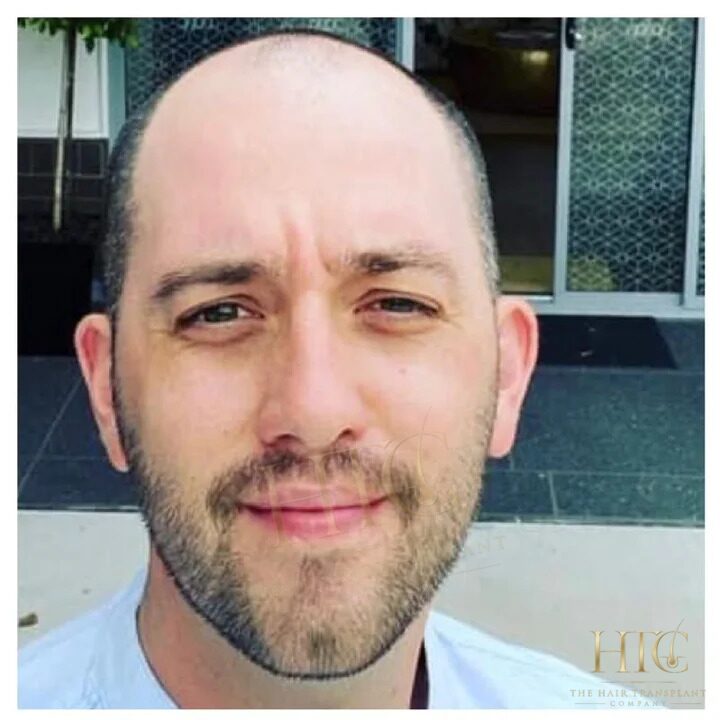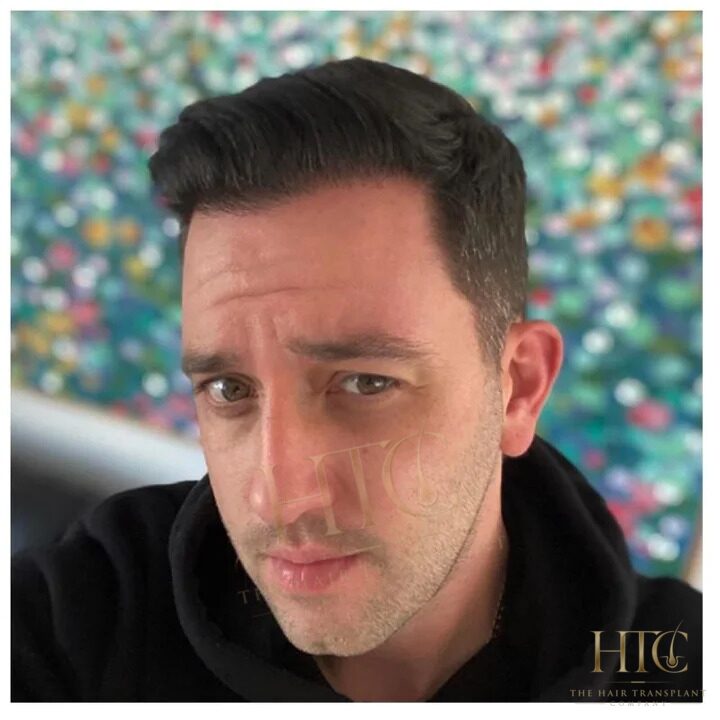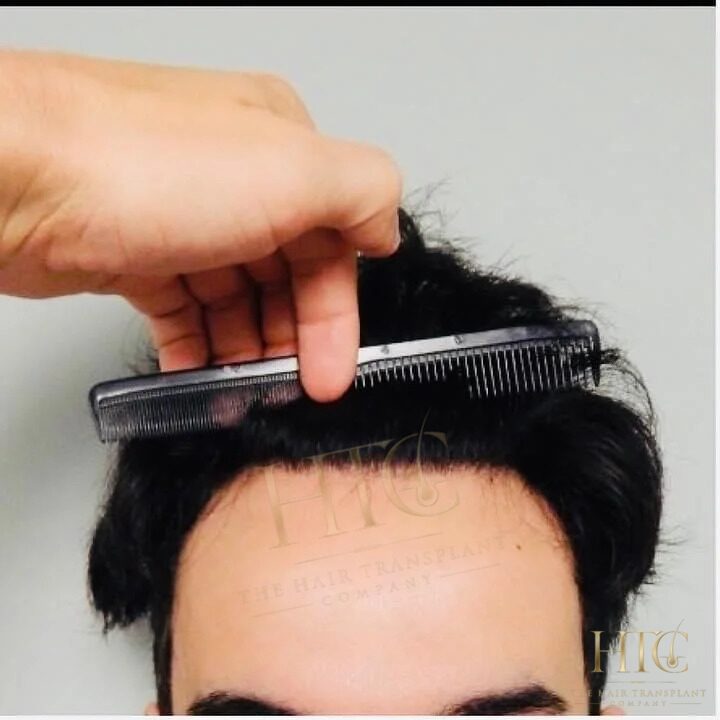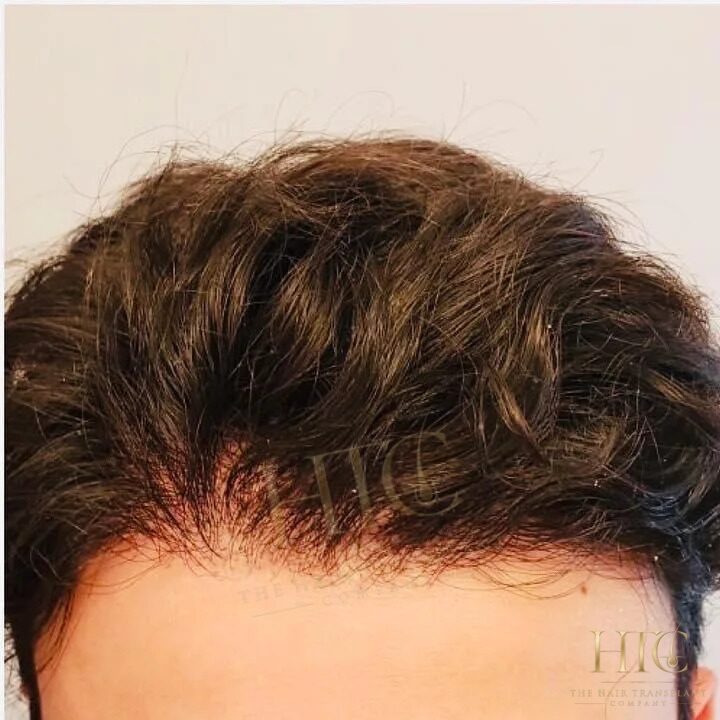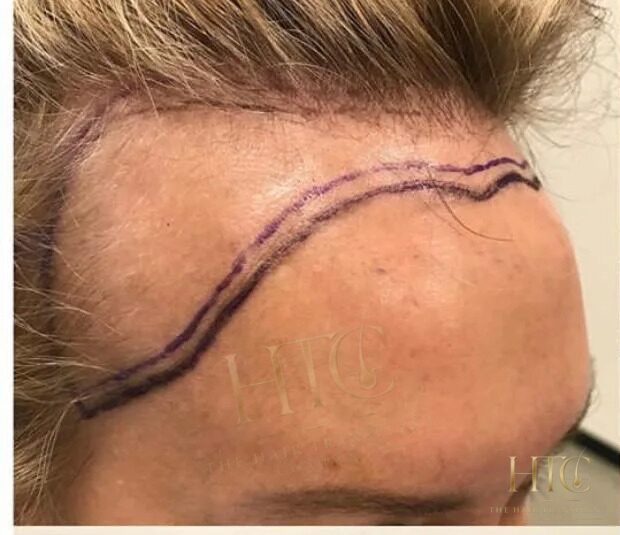
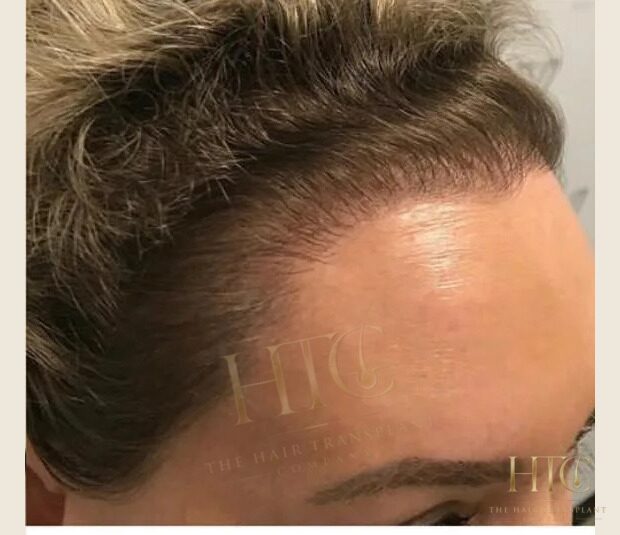
Case HT-006 Women's Hair Transplant

Facial hair restoration
Surgeon-led FUE beard restoration for men seeking fuller density, sharper definition, or coverage after scarring — assessed individually at a free consultation.
In brief
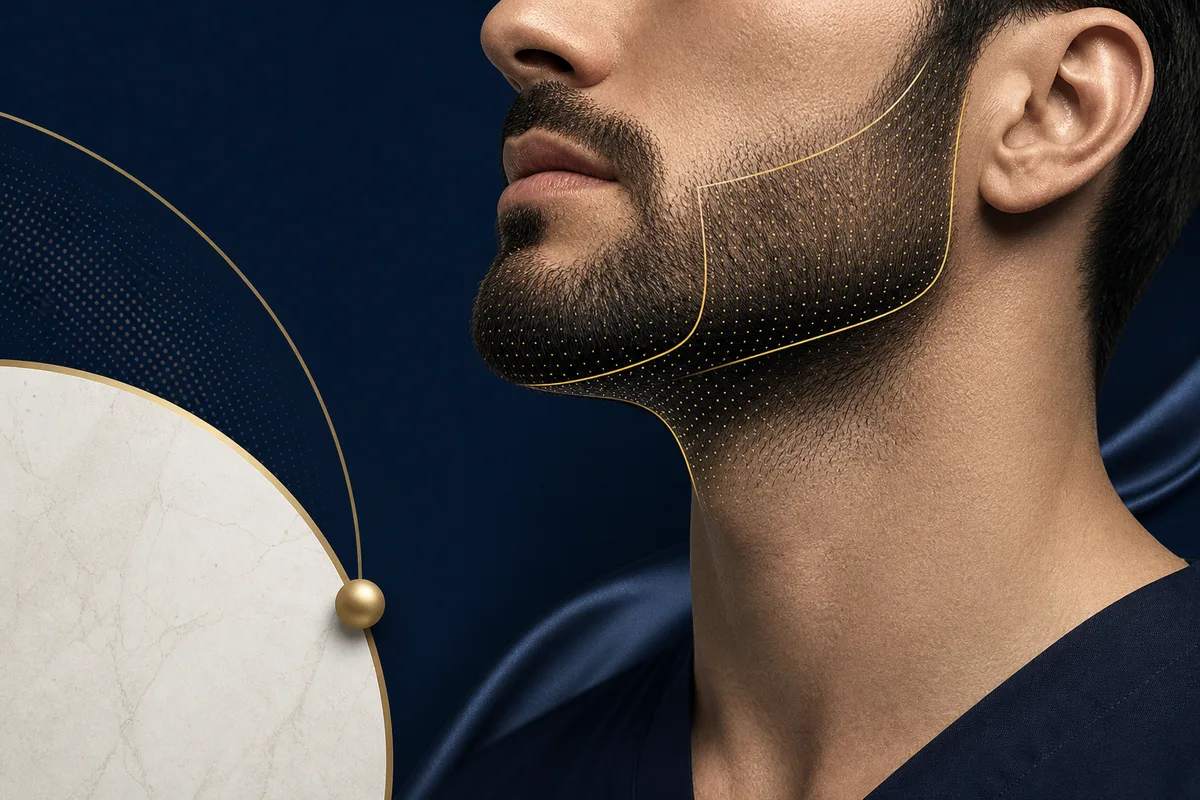
A beard transplant uses FUE (follicular unit extraction) to move hair from a donor area — usually the back of the scalp — into the beard zone. Grafts are placed at angles that mimic natural facial hair direction. Results depend on donor quality, design, and healing. A GMC-registered surgeon should assess suitability before you commit.
Beard restoration is a surgical procedure, not a topical product or implant. Individual follicular units are extracted and implanted where facial hair is thin, patchy, or absent — including the chin, cheeks, jawline, and moustache.
At HTC, beard work follows the same surgical standards as scalp FUE: one surgeon, one patient, with Dr M Husnain (GMC 8023362) or a colleague surgeon performing your procedure from first graft to last.
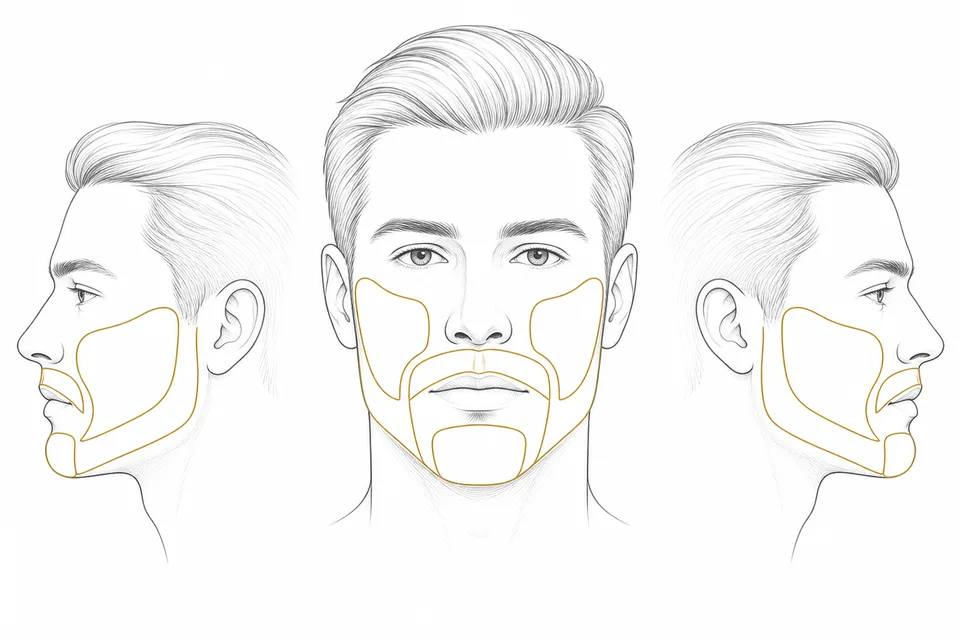
Men explore beard restoration for many reasons. Common consultation goals include:
Not everyone is suitable. Donor supply, skin condition, medical history, and realistic density targets are reviewed in consultation — we will say clearly if surgery is not the right step yet.
After assessment and design approval, the beard area is prepared and local anaesthetic is used. Grafts are extracted from the donor area and implanted into the recipient sites at planned angles and density.
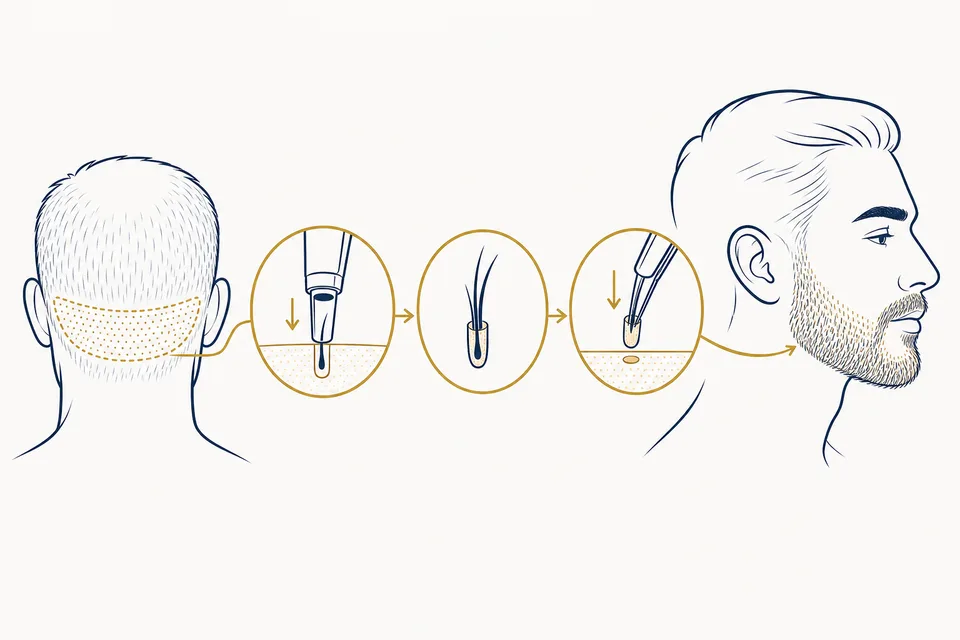
Session length and graft count depend on the area being treated and your goals. We do not quote graft numbers online; that requires an in-person review of donor density and facial design.
Beard hair grows at specific angles — out from the chin, downward on the cheeks, and with a different texture to scalp hair. Planning must respect those directions or the result can look unnatural.
Your consultation covers shape (cheek line, neck line, density targets) and what is achievable with your donor hair. We avoid promising a specific “look” from photos alone.
Most patients experience redness, crusting, and mild swelling in the first week. Facial movement and shaving routines are discussed individually. HTC includes 12 months aftercare so review appointments and washing guidance are part of your plan — not an add-on.
Transplanted beard hair typically sheds before regrowth, similar to scalp FUE. Visible improvement builds over months; we set timeline expectations at consultation.
Cost depends on the area treated and graft count. HTC discusses personalised pricing after a free consultation — we do not publish fixed prices online.
Transplanted follicles are generally long-lasting once established. Ongoing native facial hair behaviour and future goals should still be discussed at consultation.
Often yes — patchiness and some scars are common reasons for consultation. Suitability depends on scar type, blood supply, and donor availability.
At HTC, beard restoration is performed using FUE techniques — individual follicular units rather than a strip harvest.
Timing varies by healing. Your aftercare plan will specify when trimming or shaving is safe — follow surgeon guidance rather than generic timelines online.
Free, no obligation. We will assess donor hair, facial design, and whether beard restoration is appropriate for your goals.
Results evidence
Before-and-after photography is published only with patient consent and clinician review. Individual results vary and are discussed through consultation.
Individual results vary. Images are published with patient consent only.
Free consultation
Book a free consultation to discuss suitability, treatment options, and personalised next steps with a clinician-led clinic.
Confidential enquiry. No obligation. Pricing is personalised after consultation.