Case HT-006 Women's Hair Transplant
In-clinic procedure
A minimally invasive in-clinic procedure used as an adjunct to medical hair loss therapy — assessed individually by GMC-registered surgeons, with measured expectations at a free consultation.
In brief
Scalp microneedling creates controlled micro-channels in the scalp to support local healing responses and may improve uptake of topical treatments such as minoxidil when clinically appropriate. Research in androgenetic alopecia is growing but still maturing — it is not a standalone cure and suitability is confirmed only after individual assessment.
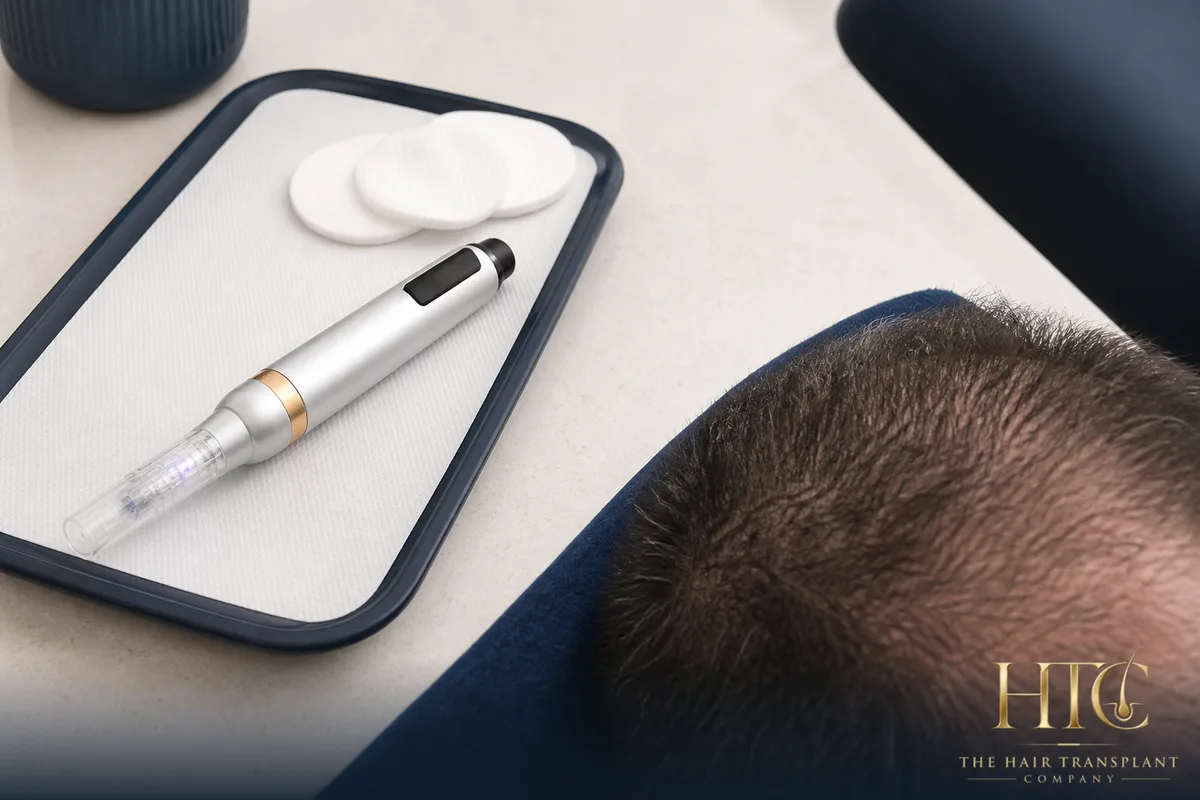
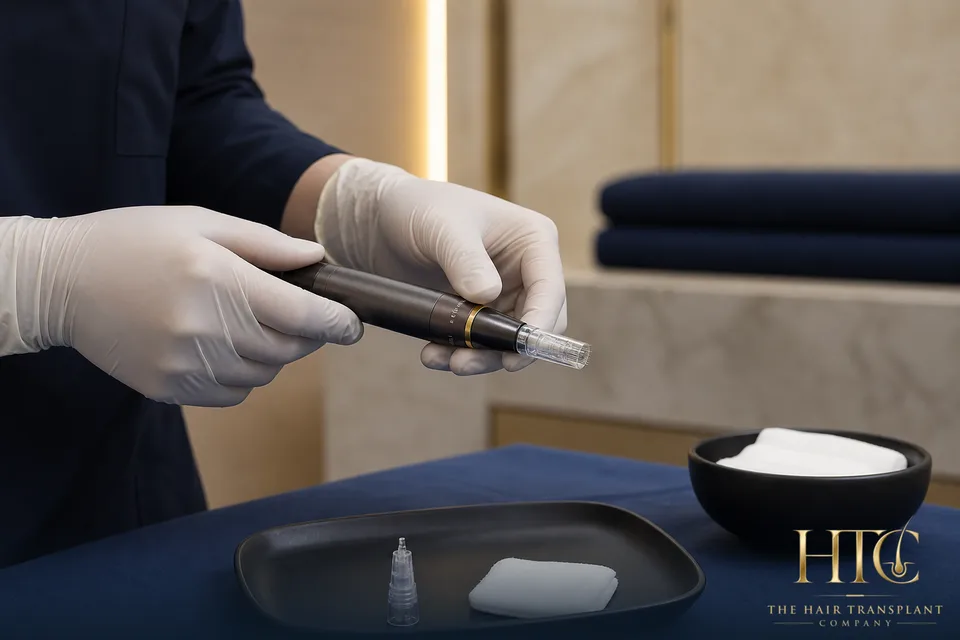
Scalp microneedling is a medical procedure in which a precision device creates thousands of very fine, controlled micro-injuries across the scalp. These micro-channels trigger the skin’s natural healing response — stimulating local growth factors, increasing blood flow, and creating a temporary window through which topical treatments can penetrate more deeply.
When performed in a clinical setting, needle depth, device speed, and treatment pressure are calibrated to the target area and your scalp condition. Technique matters considerably, which is why HTC does not delegate this treatment to non-medical staff.
At HTC, scalp microneedling is offered as part of a structured, surgeon-assessed treatment plan — not as a replacement for surgical hair restoration or standalone medical therapy.
The evidence base for scalp microneedling in androgenetic alopecia (male and female pattern hair loss) is growing, though it is still maturing. Studies suggest microneedling may improve hair density when combined with topical treatments such as minoxidil — clinical assessment is required to determine suitability.
We do not quote specific percentage improvement figures in marketing copy. Studies vary in needle depth, session frequency, and patient selection; results at three to six months differ meaningfully between patients.
One of the most clinically relevant aspects of scalp microneedling is its role in enhancing uptake of topical treatments — particularly minoxidil. Minoxidil absorption through intact skin is limited; micro-channels created during a session temporarily increase scalp permeability, which studies suggest may improve delivery to the follicular unit for appropriate patients.
This is why HTC uses scalp microneedling as an adjunct — not a standalone treatment. In clinical practice, the combination may perform better than either approach alone for suitable patients, but only after individual assessment.
Scalp microneedling is not equivalent to a hair transplant, cannot create new follicles, and is not expected to reverse advanced diffuse loss. Your consultation establishes whether it belongs in your plan and how it fits alongside other options.
Your appointment begins with a clinical review. If you have not already had a full HTC consultation, one is completed before any treatment proceeds. We assess scalp condition, hair loss pattern, and existing medical therapy before setting treatment parameters.
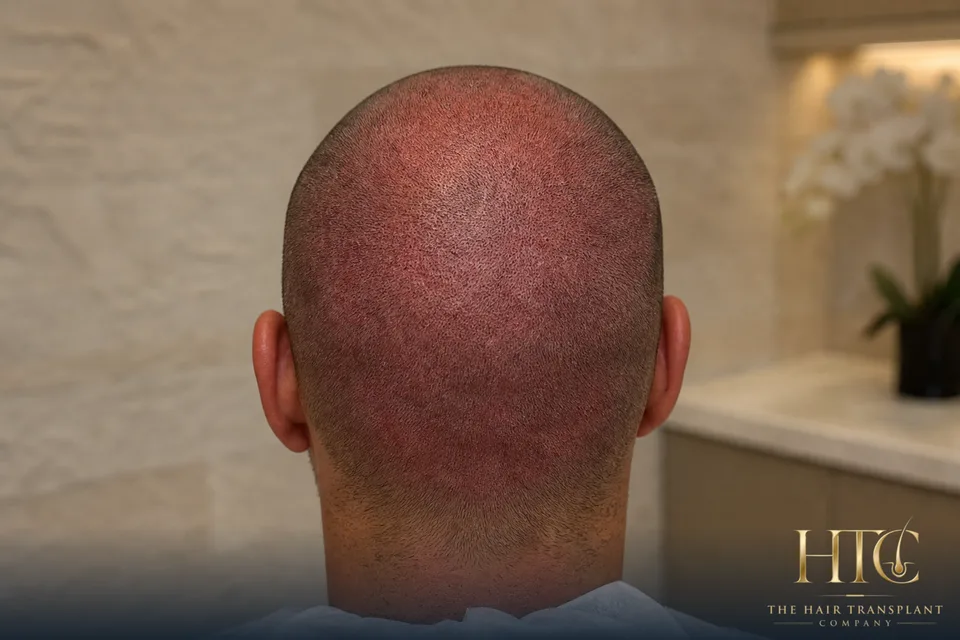
A topical anaesthetic is applied before the procedure. Mild discomfort is documented and common; most sessions take 30–60 minutes depending on the treatment area. Immediately after, the scalp may appear red for several hours; tenderness and mild swelling typically settle within 24–48 hours.
Scalp microneedling is not a single-session treatment. Your clinician advises on frequency and duration; visible change is typically assessed at follow-up over three to six months, within your structured aftercare pathway.
Scalp microneedling may be appropriate when discussed after proper assessment. Common consultation reasons include:
It is generally not appropriate as a primary treatment for advanced hair loss, or where active scalp inflammation, infection, or certain dermatological conditions are present. A clinical assessment is required before any course is recommended.
At HTC, no treatment is offered without a proper clinical assessment. Scalp microneedling is performed by trained clinicians — not delegated to aestheticians — and sits within a structured treatment plan reviewed by a GMC-registered surgeon.
Mild discomfort during scalp microneedling is documented and common. At HTC, a topical anaesthetic is applied beforehand. Most patients describe the experience as tolerable rather than painful, though individual experience varies. You can stop the session if needed — your clinician will check in throughout.
There is no single standard answer — it depends on your hair loss pattern, scalp condition, and how microneedling fits your broader plan. A course of sessions is standard practice; frequency and duration are advised at consultation and reviewed over time.
This combination is specifically explored in published research. Studies suggest microneedling may improve topical minoxidil absorption and that combined use may outperform either approach alone in suitable patients — but timing and protocol matter. Your clinician advises when to apply minoxidil relative to sessions.
Yes — significantly. Home dermarollers use shorter, fixed needles and are not calibrated to the scalp. Clinical microneedling uses a medical-grade automated device with adjustable depth and controlled pressure, operated by a trained clinician after assessment. Home devices are not equivalent and carry risks if used incorrectly.
Visible improvement in hair density typically begins at three to six months, not after one or two sessions — reflecting the natural hair growth cycle. Progress is reviewed at follow-up within your HTC aftercare pathway. Patience and adherence to the full plan are part of what determines outcome.
No. Suitability depends on diagnosis, stage of loss, scalp health, and whether microneedling is appropriate as an adjunct to your existing or planned medical therapy. We will say clearly at consultation if it is not the right step — or if medical therapy or surgery should come first.
Free, no obligation. We assess your hair loss pattern, explain what microneedling can and cannot achieve as an adjunct to medical therapy, and outline a plan only if clinically appropriate.
Results evidence
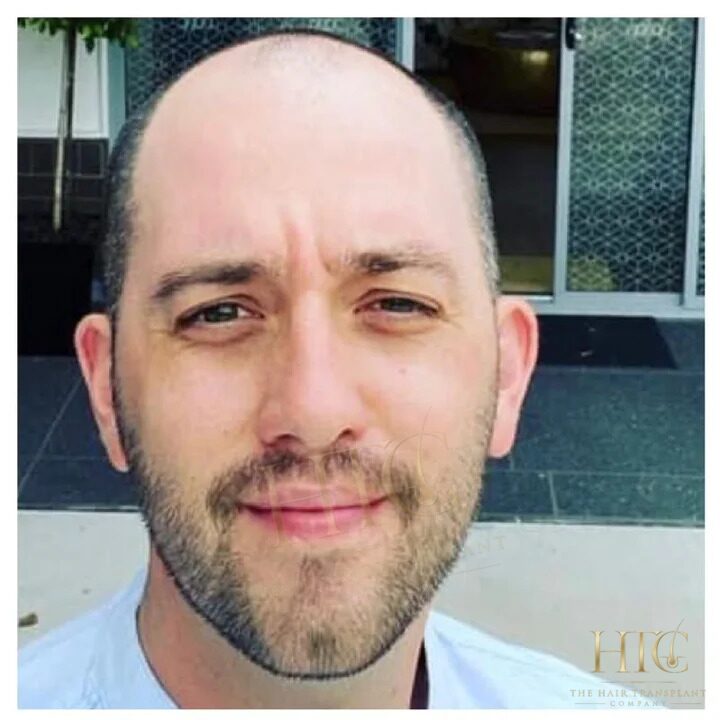
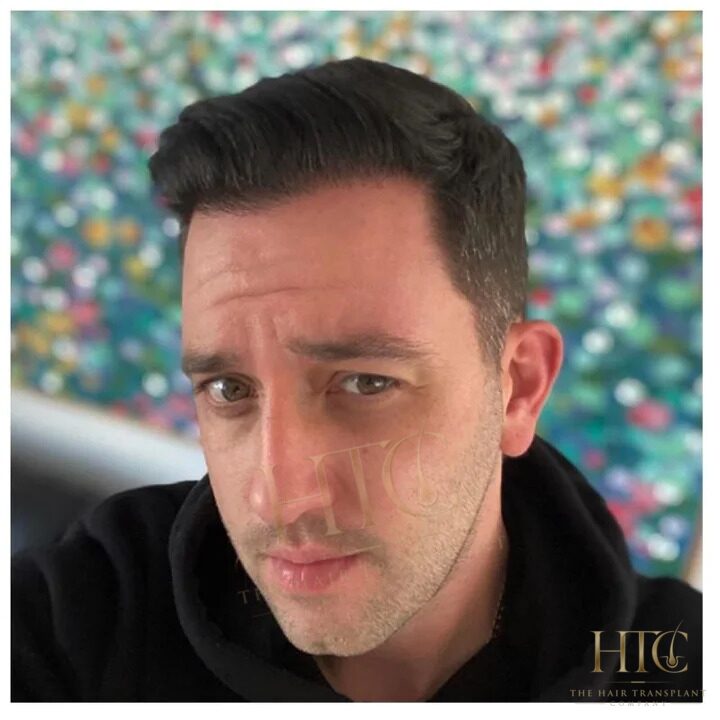
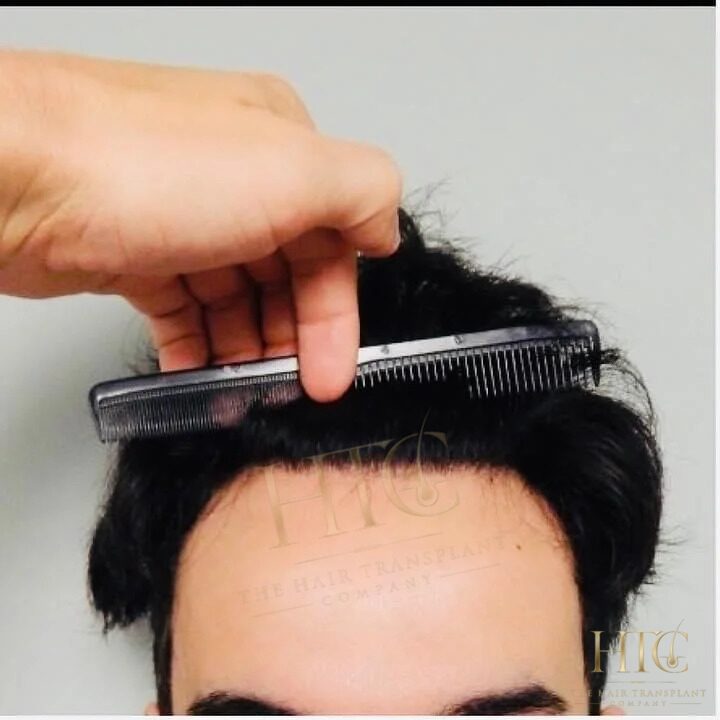
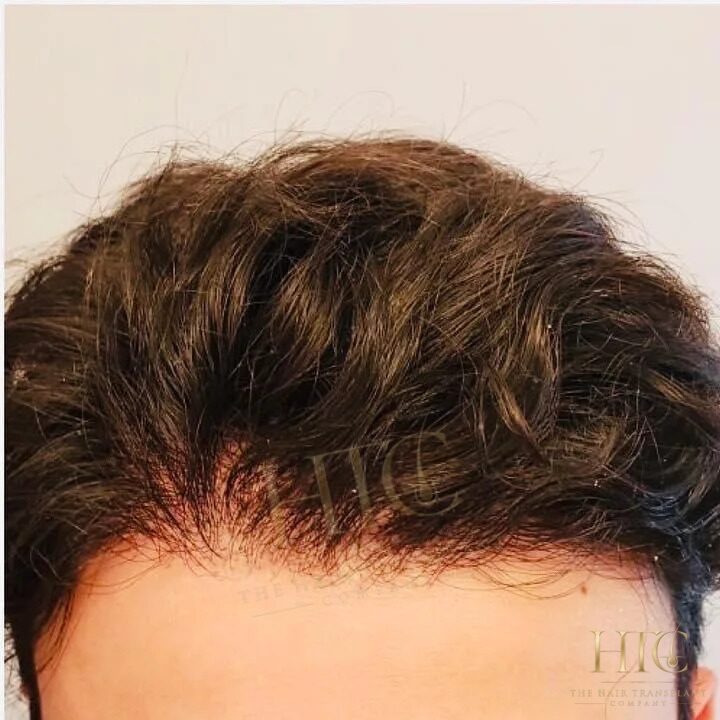
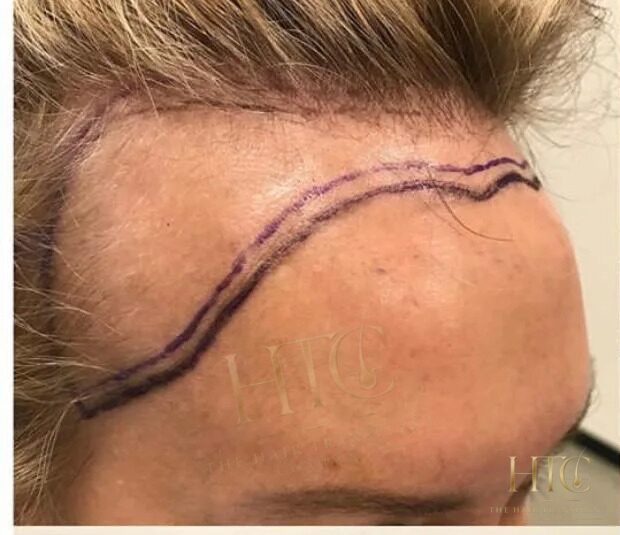
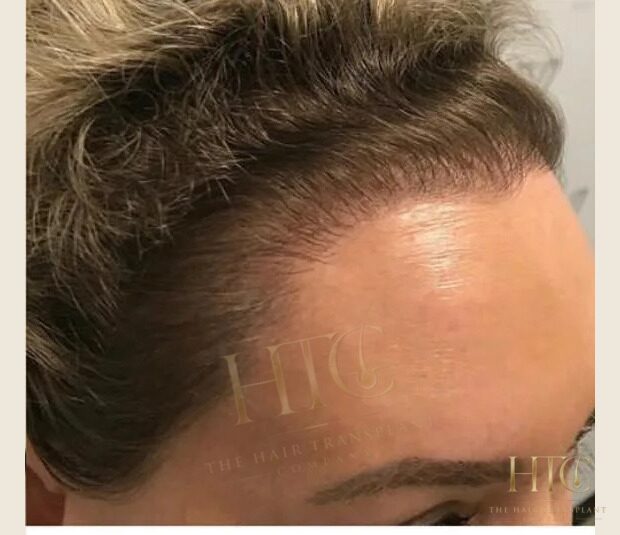
Before-and-after photography is published only with patient consent and clinician review. Individual results vary and are discussed through consultation.
Individual results vary. Images are published with patient consent only.
Free consultation
Book a free consultation to discuss suitability, treatment options, and personalised next steps with a clinician-led clinic.
Confidential enquiry. No obligation. Pricing is personalised after consultation.