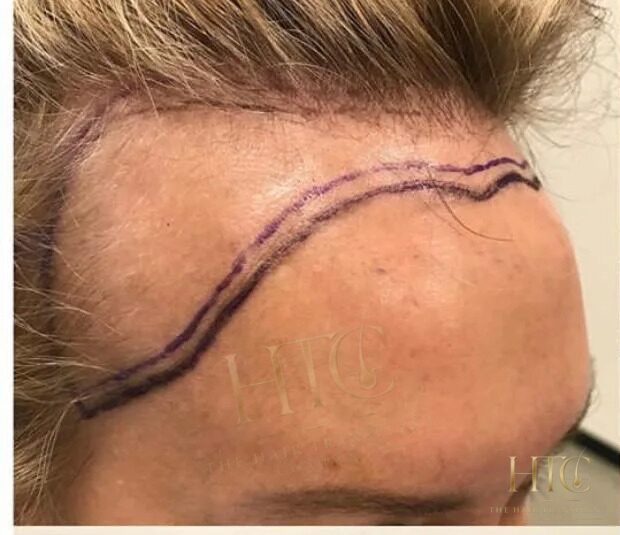
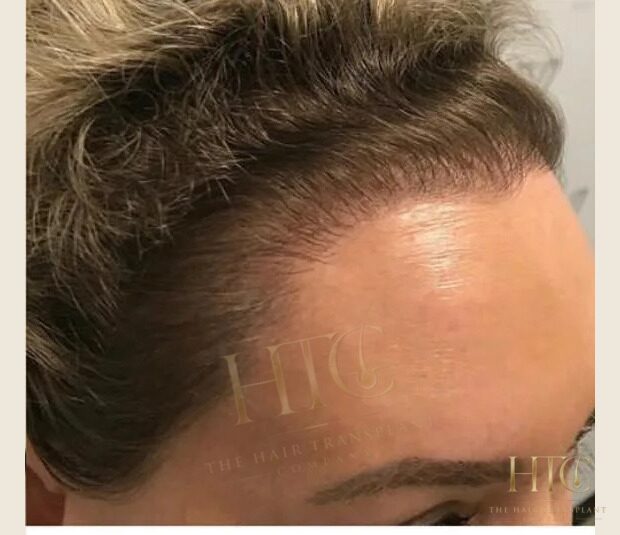
Case HT-006 Women's Hair Transplant
Non-invasive treatment
Low-level light therapy (LLLT) for androgenetic hair loss — a drug-free, non-invasive option assessed and structured by GMC-registered surgeons, typically used as part of a wider restoration plan at a free consultation.
In brief
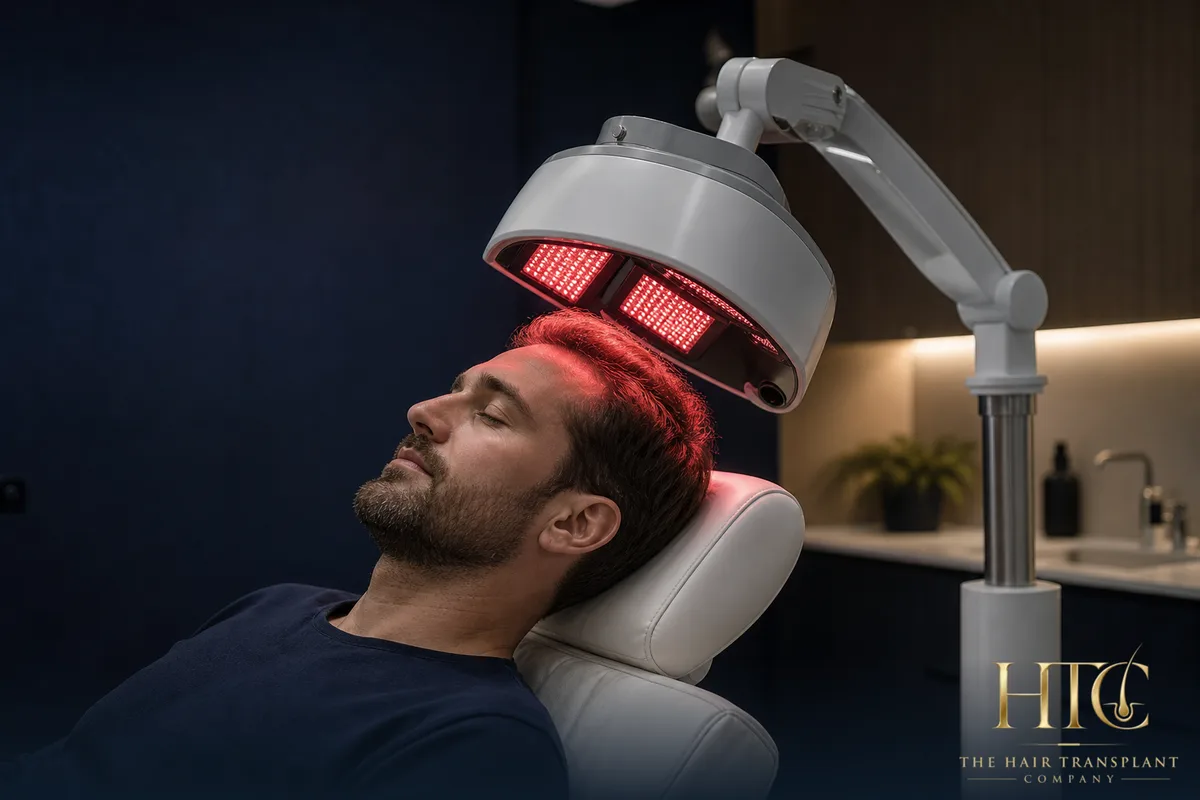
Bio Light is HTC’s name for low-level light therapy (LLLT) — also called photobiomodulation or, in search terms, red light therapy for hair loss. Research suggests LLLT may help improve hair density in androgenetic alopecia for some patients, including in double-blind trials using sham device controls — but results vary, it is not a cure, and clinical assessment is required before treatment begins.
Bio Light delivers specific wavelengths of light energy — typically in the red and near-infrared spectrum — to the scalp at low intensities that do not heat or damage tissue. At the cellular level, research suggests this light may be absorbed by mitochondria within follicular cells, supporting metabolic activity in follicles that are slowed or dormant.
It is important to understand what Bio Light is not: it is not laser hair removal (high-intensity energy that destroys follicles), not a standalone cure for hair loss, and not equivalent to household red-light lamps sold online without clinical guidance.
At HTC, Bio Light is a therapeutic option — assessed, structured, and used within a wider treatment approach when clinically appropriate.
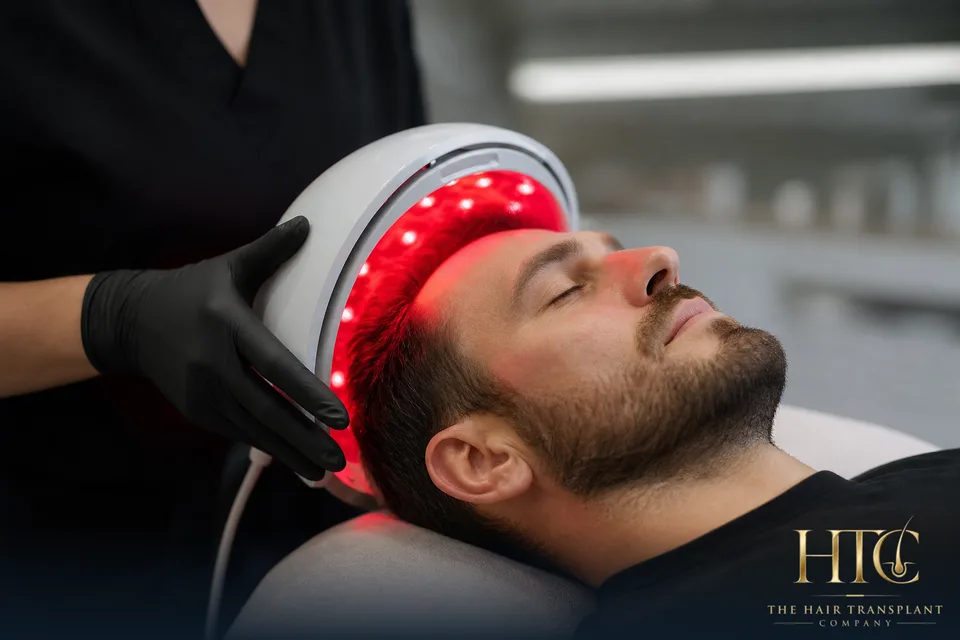
The evidence base for LLLT in androgenetic alopecia is more substantial than many patients expect — but it must be read carefully.
Research suggests low-level light therapy may help improve hair density in androgenetic alopecia. Studies — including double-blind trials using sham device controls — report measurable improvements in hair count and density in selected participants. Results vary and clinical assessment is needed to determine suitability.
We do not claim specific device superiority, wavelength rankings, or guaranteed outcomes. LLLT is not described as a cure at HTC.
Clinical assessment first. Before Bio Light is offered, a consultation determines whether LLLT fits your hair loss type, stage, and broader circumstances — this is not a formality.
In-clinic treatment. Sessions are delivered by trained clinical staff using medical-grade equipment. Session length, positioning, and frequency are set clinically — not by a one-size protocol.
Home protocol (when appropriate). Some patients receive a clinician-directed home protocol with a medical-grade LLLT device. This is not a recommendation to buy any consumer lamp independently.
Aftercare. HTC includes structured follow-up across your care pathway — if response is below expectation, your plan is reassessed rather than left unchanged.
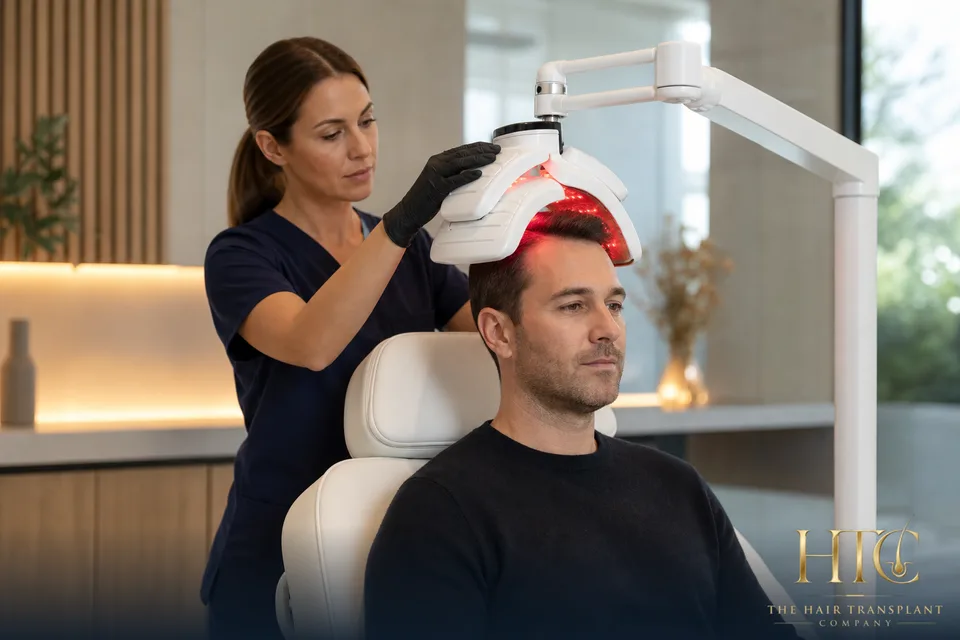
Bio Light may be discussed when clinically appropriate for patients who:
Mild transient scalp warmth during treatment is documented in some patients. Bio Light is generally not expected to produce meaningful results in advanced, long-established loss — suitability is confirmed at assessment.
Because Bio Light is drug-free and non-invasive, it can often be discussed alongside other approaches without the same contraindication concerns as systemic medication. Common combinations at HTC include:
Your surgeon explains what makes clinical sense for you — not every patient needs every treatment. Read our medical treatments hub for the full non-surgical pathway.
Low-level light therapy is widely considered safe for scalp use when administered correctly. It does not use ionising radiation, and intensities used are not sufficient to heat or damage tissue. Mild transient warmth is documented in some patients. At HTC, suitability — scalp conditions, concurrent treatments, medications — is reviewed before treatment begins.
Session length depends on the protocol your clinician recommends for your scalp area and stage of hair loss. In-clinic sessions are typically in the range of 15–30 minutes. You will not be rushed through — timing is set for your plan, not a generic slot.
Depending on your assessment, your clinician may recommend a structured home protocol with a medical-grade LLLT device. This is clinician-directed with specific parameters — not a general suggestion to purchase any light therapy product online. If home use is part of your plan, your HTC clinician advises on device and technique.
Consumer devices vary widely in wavelength, power output, coverage, and clinical validation. Many are not calibrated to parameters studied in LLLT research. Medical-grade equipment at HTC is selected for clinical application; outcomes also depend on frequency, context, and whether treatment sits within a surgeon-assessed plan — not device purchase alone.
Bio Light is not an overnight treatment. Studies reporting measurable density changes often assess participants over 16–26 weeks or longer. Do not expect noticeable change in the first few weeks. Progress is reviewed at follow-up within your care pathway; adherence and realistic timelines both matter.
For some patients seeking to avoid systemic medication, LLLT may be discussed as part of a non-surgical plan — but it is not a direct substitute for every medical therapy. Your consultation compares options honestly: what LLLT may achieve, what it cannot, and whether topical or other treatments should be part of your plan.
Free, no obligation. We assess your hair loss pattern, explain what LLLT can and cannot achieve, and outline a plan only if it is clinically appropriate. Dr M Husnain (GMC 8023362) leads clinical assessment at HTC.
Results evidence
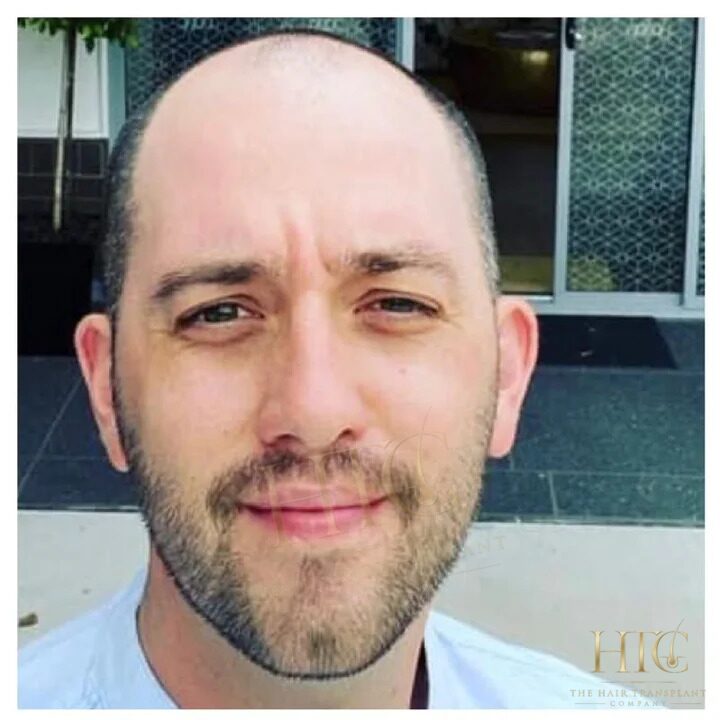
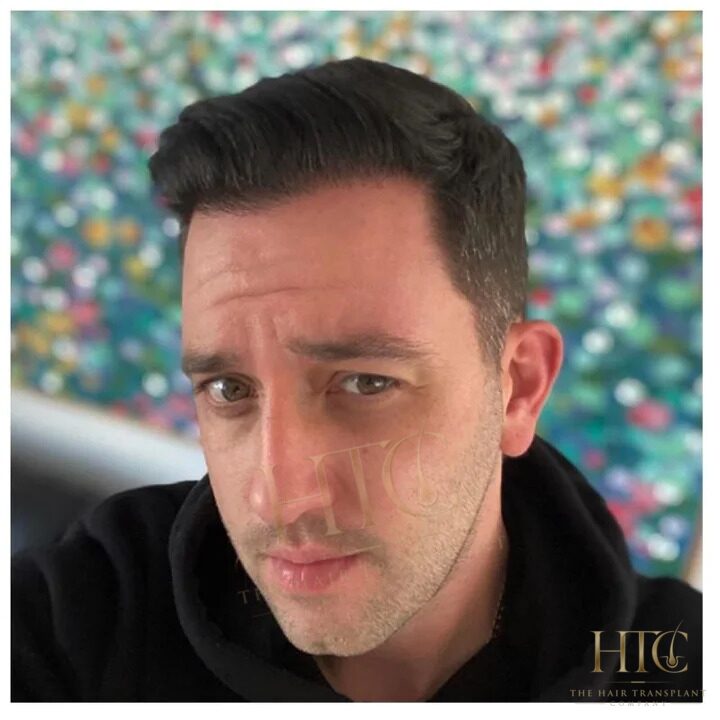
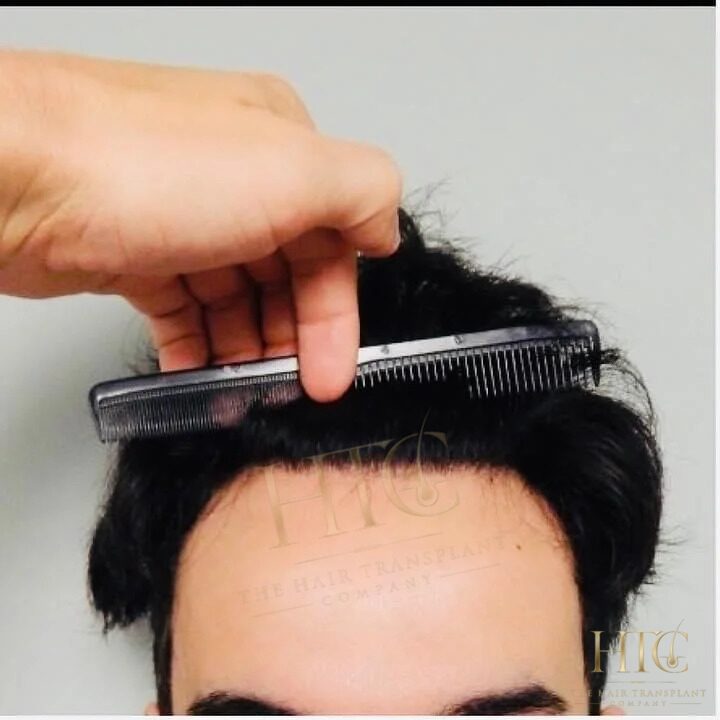
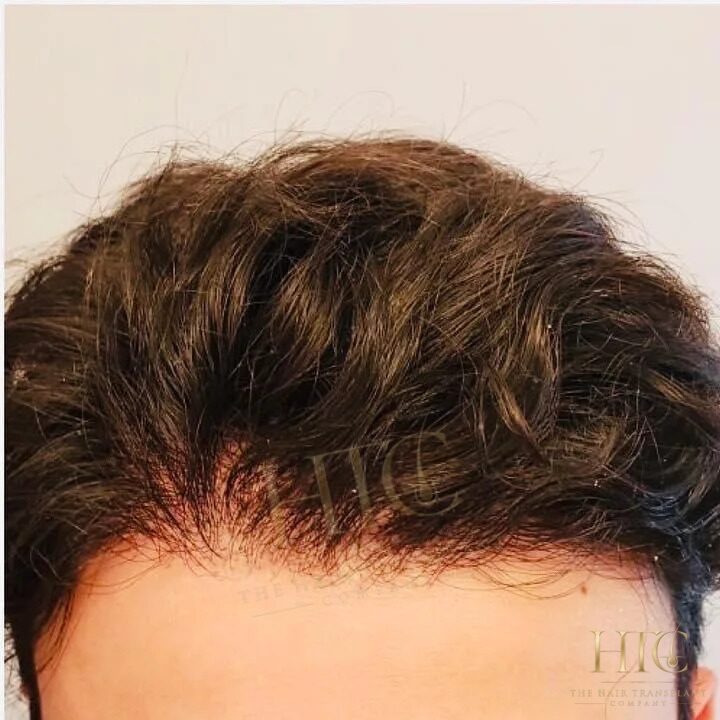
Before-and-after photography is published only with patient consent and clinician review. Individual results vary and are discussed through consultation.
Individual results vary. Images are published with patient consent only.
Free consultation
Book a free consultation to discuss suitability, treatment options, and personalised next steps with a clinician-led clinic.
Confidential enquiry. No obligation. Pricing is personalised after consultation.